
Drone Software: Unlocking the Power of Modern UAVs
Drone software is essential to guaranteeing effectiveness, security, and cutting-edge functionality in the quickly changing drone market. Although drones are highly advanced devices, it is the software that manages flight, navigation, data collection, and automation that truly unlocks their potential. It is the foundation of intelligent and dependable aerial operations for both recreational and commercial use.
Understanding Drone Software
The programs and applications that allow drones to function safely, effectively, and independently are referred to as drone software. It includes automation solutions, data analysis tools, mission planning platforms, and flight control systems. Drone software converts pilot commands into precise actions while maintaining stability and accuracy during flight.
Contemporary drone software can be integrated into the drone itself for autonomous operations or be cloud-based, enabling fleet management and remote monitoring. Its goal is to increase intelligence, safety, and the capability of drones to execute complex tasks.
Types of Drone Software
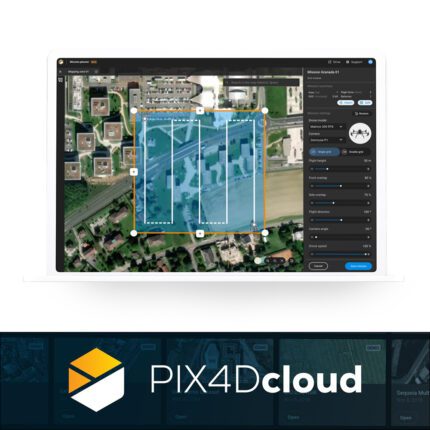
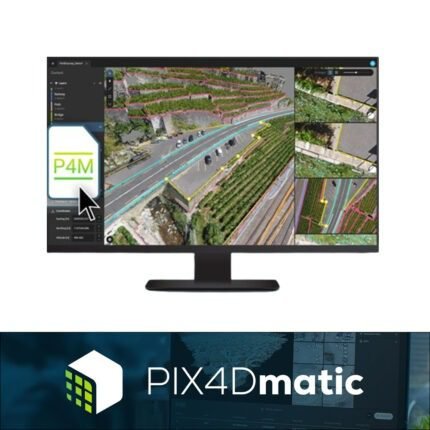
Drone software comes in multiple categories. Flight control software stabilizes the drone, adjusts for wind and environmental conditions, and ensures smooth operation. Mission planning software helps operators create accurate flight routes, automate processes, and maximize coverage for applications like mapping, surveying, and agriculture.
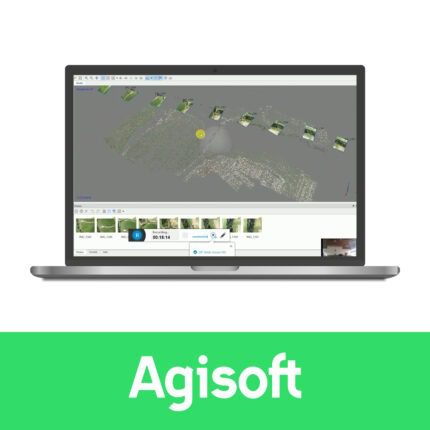
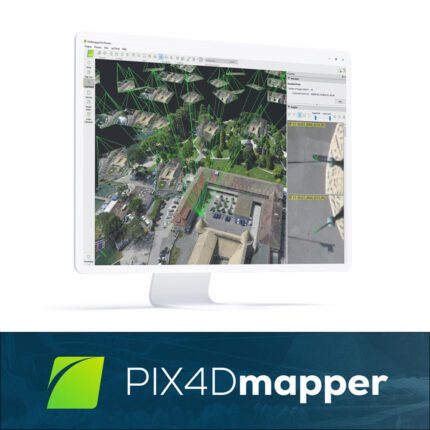
Data analysis software processes aerial data such as thermal, LiDAR, and imagery to provide actionable insights. Fleet management software enables organizations with multiple drones to monitor, schedule, and coordinate UAVs efficiently. Each type enhances capability and reliability of drone operations.
The Role of Drone Software in UAV Operations
Drone software significantly affects performance. Features like automated collision avoidance, geofencing, and emergency landing procedures improve safety. It also enhances operational efficiency by reducing human intervention and minimizing mistakes during complex missions.
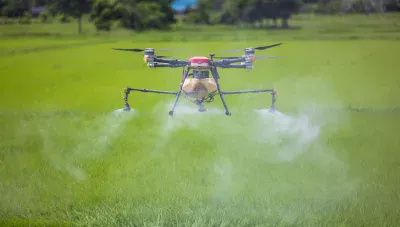
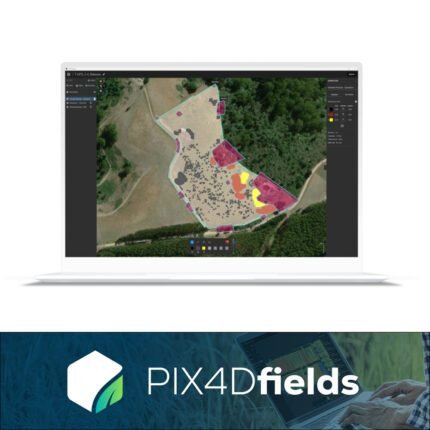
In commercial applications, drones use software to perform precision farming, autonomously monitor crops, and identify problem areas. Route-optimization software in logistics ensures timely, energy-efficient deliveries while maximizing battery life.
Features of Advanced Drone Software
Modern drone software integrates features that enhance performance and user experience. Autonomous flight capabilities allow drones to follow preset routes without human control. Obstacle detection and avoidance systems guarantee safe navigation in complex environments.
Real-time telemetry provides updates on position, speed, altitude, and battery status. Data integration capabilities allow seamless transfer to GIS, mapping, or analytics platforms. Simulation and virtual testing environments let operators plan missions safely, giving professionals precise control while remaining accessible to beginners.
Applications of Drone Software Across Industries
Drone software has transformed multiple sectors. In agriculture, drones use software to monitor crop health, detect pests, and optimize irrigation. In infrastructure and construction, drones create 3D models, record high-resolution imagery, and monitor project progress.
Route-planning software in logistics improves delivery efficiency. Drones in environmental monitoring collect pollution data, track wildlife, and support climate research. Emergency services use drone software to deliver supplies, survey disaster areas, and locate missing persons safely and effectively.
Benefits of Using Drone Software
Using drone software offers numerous benefits. Automated geofencing, collision prevention, and emergency protocols enhance safety. Drones reduce human error, follow optimized flight paths, and perform repetitive tasks autonomously, increasing efficiency.
Software reduces manual intervention, preserves battery life, minimizes operational downtime, and saves costs. Drone data is transformed into actionable insights, supporting informed decision-making. Operations become scalable, enabling organizations to manage complex missions and multiple drones simultaneously.
Challenges in Drone Software Development
Challenges include hardware compatibility across drone models, battery limitations, and environmental factors like winds, rain, or signal interference. Regulatory compliance is critical, including privacy, no-fly zones, and altitude restrictions. Cybersecurity is also vital, especially for government and commercial applications.
The Future of Drone Software
AI, machine learning, and cloud computing will shape the future. Drones with AI can coordinate autonomously, adapt to conditions, and make intelligent in-flight decisions. Cloud-based platforms allow remote fleet monitoring and increase scalability. Integration with IoT, augmented reality, and smart city infrastructure will expand applications. Drone software is evolving toward fully autonomous systems that operate safely in complex environments.
Why Investing in Drone Software Is Essential
High-quality drone software optimizes performance for professionals and enthusiasts. It ensures safety, accuracy, and operational efficiency. Sophisticated software transforms drones from basic flying devices into effective tools that boost creativity and productivity.
Conclusion
Drone software is the foundation of modern UAV operations. It enables drones to fly safely, operate independently, and perform complex tasks. It facilitates data collection, precise navigation, and actionable insights for agriculture, logistics, entertainment, and environmental monitoring.
As technology evolves, drone software will become increasingly sophisticated, efficient, and adaptable, cementing its role as a critical element of aerial operations. Investing in reliable software is essential to maximize drone performance.